
Customer Svc: 855-620-2330 -
M-Sat -9am-6pm
Speak To Customer Service - 855-620-2330 - M-Sat 9:00am - 6:00pm MST
Customer Svc: 855-620-2330 -
M-Sat -9am-6pm
Speak To Customer Service - 855-620-2330 - M-Sat 9:00am - 6:00pm MST

Last Updated: November 8, 2026
Quick Summary
Knowing how to market your commercial golf simulator starts with a business plan that defines your venue type and target audience, then picking three core channels: local search, paid social and search ads, and email and social content. Complete your Google Business Profile, run slot-specific ads with a tracked booking link per channel, and measure cost per booking before scaling spend.
Most simulator owners waste their first ad budget because they never learned how to market your commercial golf simulator to a defined buyer. Before committing budget, it helps to know whether a commercial golf simulator is worth it for retail.
Here's the core problem. Paid ads amplify whatever your offer already is. If your offer is vague, ads just make the vagueness expensive. Operators often buy strong equipment, then market it to everyone and no one.
So build the plan first. Two parts matter most:
Get those right and every marketing decision after that gets easier.
Your venue type decides your marketing message. A sports bar sells a night out. A golf instruction studio sells improvement. A luxury resort sells a premium amenity. Those are three different campaigns.
Pick your model before you pick your channels:
Each model needs a different offer and a different price point. If you're leaning toward a bar or entertainment venue, our guide on a commercial golf simulator for sports bars walks through that setup in detail.
Drive your trade area and count your competition. Fifteen minutes of map work beats a month of guessing.
Ask these questions:
Then write one sentence that names your buyer. "Weeknight foursomes of men aged 30 to 55 who play twice a month" is a target. "Golfers" is not.
The fastest answer: pick three channels, not ten. Most new venues spread thin across every platform and master none.
The three that carry commercial simulators are:
Turnkey systems change how fast you can launch these. If you want to know what a fully built-out system includes before you promote it, our commercial golf simulator turnkey solutions guide covers the components and support that come with one.
One more thing. Your website needs a booking page that loads fast on a phone. Players book from the car. If your booking takes four taps, they leave.
Claim and complete your Google Business Profile first.
Fill in every field:
Then collect reviews. Ask every happy foursome at checkout. Respond to each review, good or bad.
Google's own guidance on how local search ranking works makes the priorities clear: relevance, distance, and prominence.
Build location pages if you run more than one site. Keep your name, address, and phone number identical everywhere online.
Paid ads work when they target a specific slot. "Book a bay" is weak. "Open bays Thursday 7pm, $45 per hour" gets clicks.
Start with a monthly ad budget you can sustain. Ad budgets depend on venue size, local competition, and how many bays you need to fill.
Here is a practical allocation to test in your first 90 days:
Channel |
Share of Budget |
Monthly Range |
Primary Job |
|---|---|---|---|
Google Search ads |
30-40% |
$400-$1,200 |
Capture high-intent "near me" searches |
Meta (Facebook/Instagram) ads |
25-35% |
$300-$1,000 |
Build awareness and retarget visitors |
Retargeting (display/social) |
10-15% |
$150-$400 |
Recover abandoned booking pages |
Email/SMS platform |
5-10% |
$50-$200 |
Retention and off-peak fill |
Local sponsorships/print |
5-10% |
$100-$300 |
Community leagues and events |
Monthly Range
Run these campaign types against that budget:
Set a small daily budget per campaign and pause anything that doesn't produce bookings within a reasonable test window.
Weather is your best free marketing trigger. Rain, heat waves, and cold snaps push players indoors. Schedule campaigns around them.
A simple annual rhythm:
Watch the forecast weekly. A rainy Saturday is a same-day ad opportunity, but only if your creative and booking link are already built and ready to switch on.
A budget without attribution is a guess. Track a few core numbers per channel each week, such as cost per booking, booking conversion rate, and repeat visit rate.
Use a unique booking link or promo code per channel so you can trace revenue back to the source. Ask at checkout, too, "How did you hear about us?" still catches word-of-mouth that no pixel will.
Post the shot, not the logo. Players share swings, leaderboard moments, and trick shots. Nobody shares a photo of a sign.
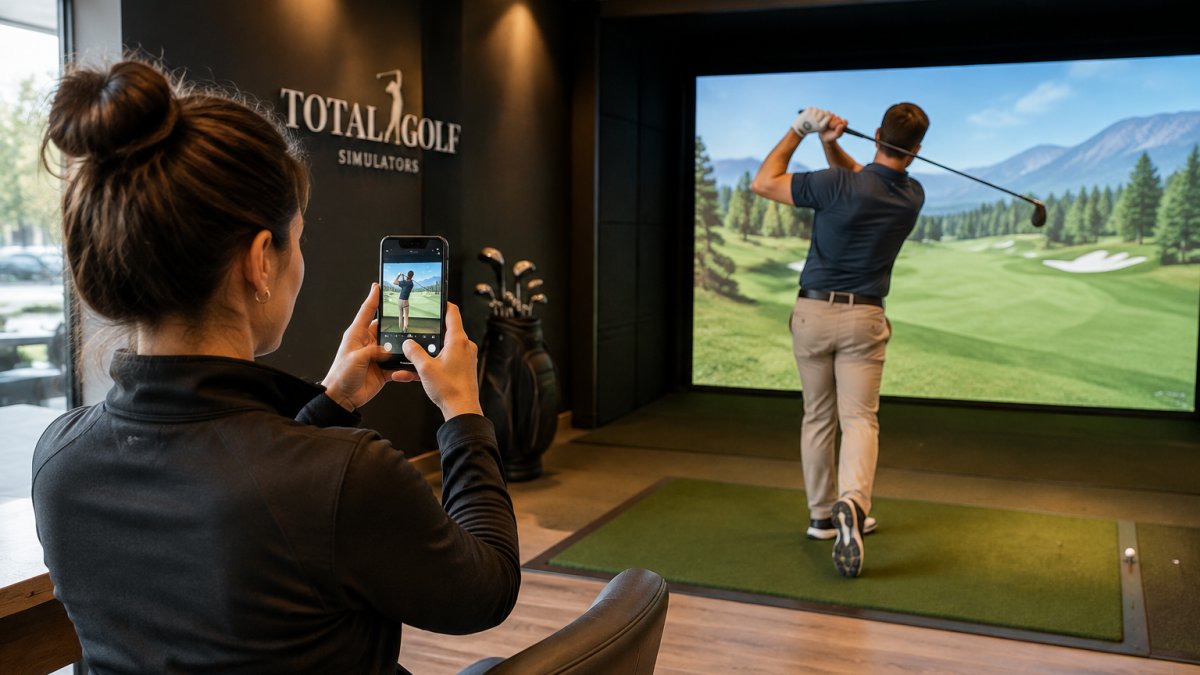
But the bigger miss is treating every follower and subscriber as one audience.
Build one campaign per audience rather than one campaign for everyone:
A common pattern is to run one offer per audience per month, so each segment sees a message built for them rather than a generic "book now."
Build an audience with three content types:
Post consistently, three to five times per week on the platform where your core audience actually is. For most commercial venues that's Instagram and Facebook, with short-form video doing the heavy lifting. Watch out: reposting the same promo graphic for weeks trains followers to scroll past; mix in real customer moments so the feed stays worth following.
Email keeps that audience warm. Send a monthly note with league news, open slots, and one offer, segmented by audience so corporate planners don't get junior clinic promos.
Consider a loyalty program or referral offer to reward repeat visits. Then layer in automated messages:
SMS works well for same-day off-peak fill, a short "bays open tonight, $X per hour" text to your list can move unused slots that email sent days earlier would miss. Keep texts infrequent and always include an opt-out.
Profit hides in three numbers: cost to acquire a customer, average spend per visit, and repeat rate. Track all three weekly.
Metric |
What It Tells You |
Action If Weak |
|---|---|---|
Cost per booking |
Ad efficiency |
Narrow targeting or cut the campaign |
Revenue per bay hour |
Pricing health |
Adjust off-peak pricing |
Repeat visit rate |
Retention |
Add loyalty or email follow-up |
Event bookings per month |
Weekday fill |
Push corporate outreach |
Track where each booking came from. Ask at checkout, or use a booking link per channel.
Equipment cost is a margin input too. Our 6k and up golf simulator package page shows a pricing tier so you can compare equipment spend against projected bay income.

Interest doesn't pay rent. Bookings do. Audit your funnel from ad click to confirmed slot.
Fix these leaks first:
Reduce the steps to three: pick a time, pay, get confirmation. No-shows drop when people get a reminder (Text Message Reminders Increase Appointment Adherence in a Pediatric Clinic).
Installation affects your ability to deliver paid time, so plan setup before launch. Our commercial golf simulator installation guide covers the seven-step process from room prep to first swing.
Knowing how to market your commercial golf simulator is a discipline, not a lucky post. Plan the business, pick three channels, measure every booking, and fix the funnel. Do that and your bays stay full.
Total Golf Simulators supports commercial operators from equipment selection through setup.
Get started with Total Golf Simulators and build a simulator setup your marketing can actually fill.
Profitability depends on your pricing, utilization rate, and local demand. A commercial golf simulator business makes money through bay rentals, leagues, lessons, and events, and profit grows when you fill off-peak hours rather than only weekend evenings. Track revenue per bay and marketing cost per booking so you know which channels actually bring paying customers. Total Golf Simulators can help you choose equipment that supports multiple revenue streams, from lessons to corporate events, so your investment works harder.
Start with a Google Business Profile and a booking page that loads fast on mobile. Then layer in local SEO, social media content showing real swings and league nights, and an email list for promotions and repeat visits. Paid ads work best when they target a tight radius around your venue. Measure cost per booking for each channel so you can shift budget toward what fills bays, not just what gets clicks.
Offer a low-risk first visit, such as a short introductory session or a bundled lesson booking. Bundle a bay rental with food or drinks if you have a bar, and run a league sign-up special before the season starts. Partner with local golf courses and instructors to reach players already spending on the game. Track which promotion brings repeat customers, not just one-time visitors.
Build a regular league schedule or loyalty structure so players have a reason to return. Collect emails at booking and send periodic updates with league standings and relevant offers. Referral offers work well in golf communities because players talk to their foursomes. Measure repeat visit rate monthly; if it drops, review your email cadence and league pricing before spending more on acquisition.
